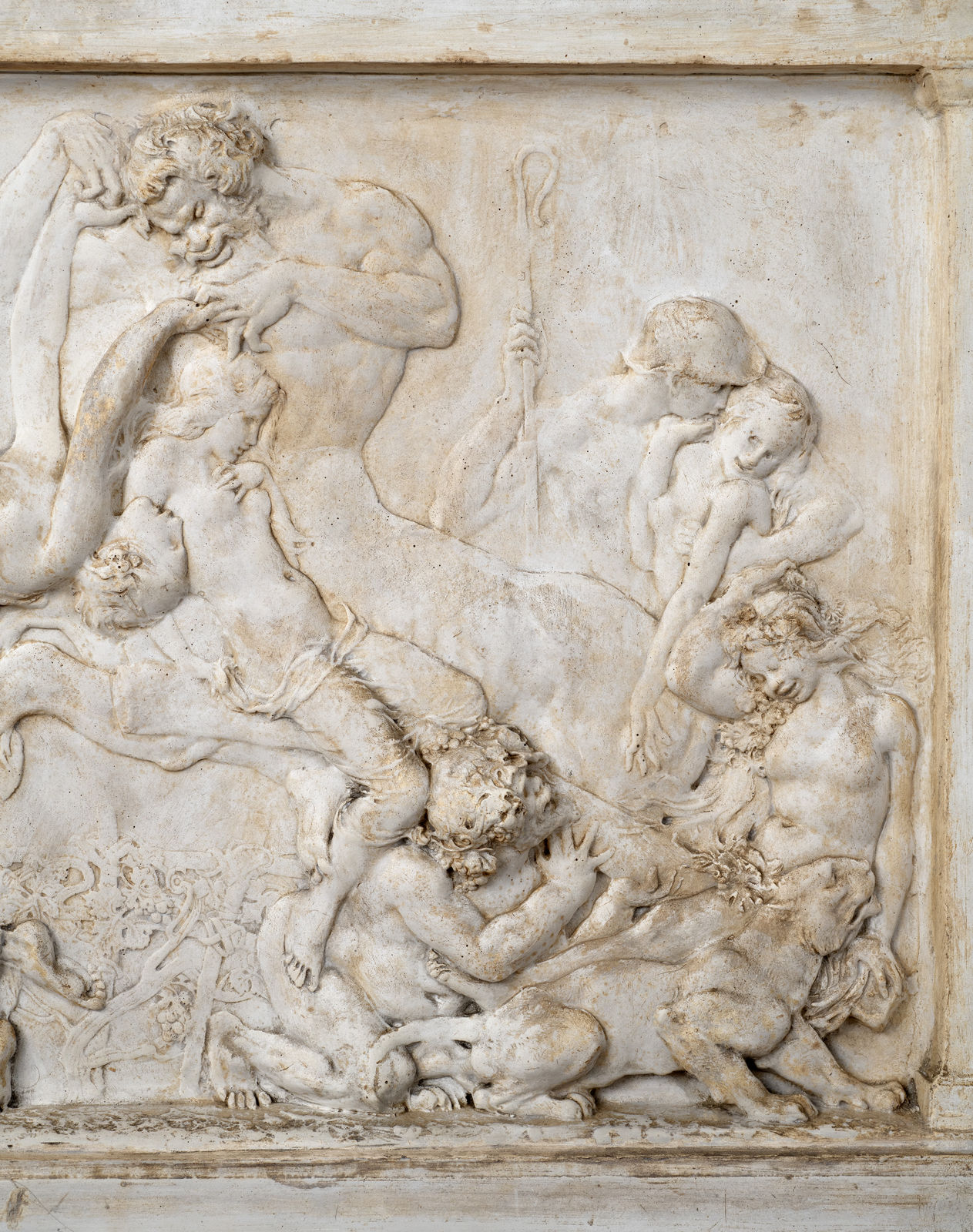
Charles Sargeant Jagger 1885-1934
Further images


Provenance
Gifted by the artist and thence by descent until 2025
Literature
Ann Compton (ed.), War and Peace Sculpture Centenary Exhibition 1885-1985, exhibition catalogue, Imperial War Museum, London, 1985, pp. 56-57, no. 51, the bronze cast, illustrated
Ann Compton, The Sculpture of Charles Sargeant Jagger, Much Hadham, 2004, p. 109, no. 12, the bronze cast, illustrated
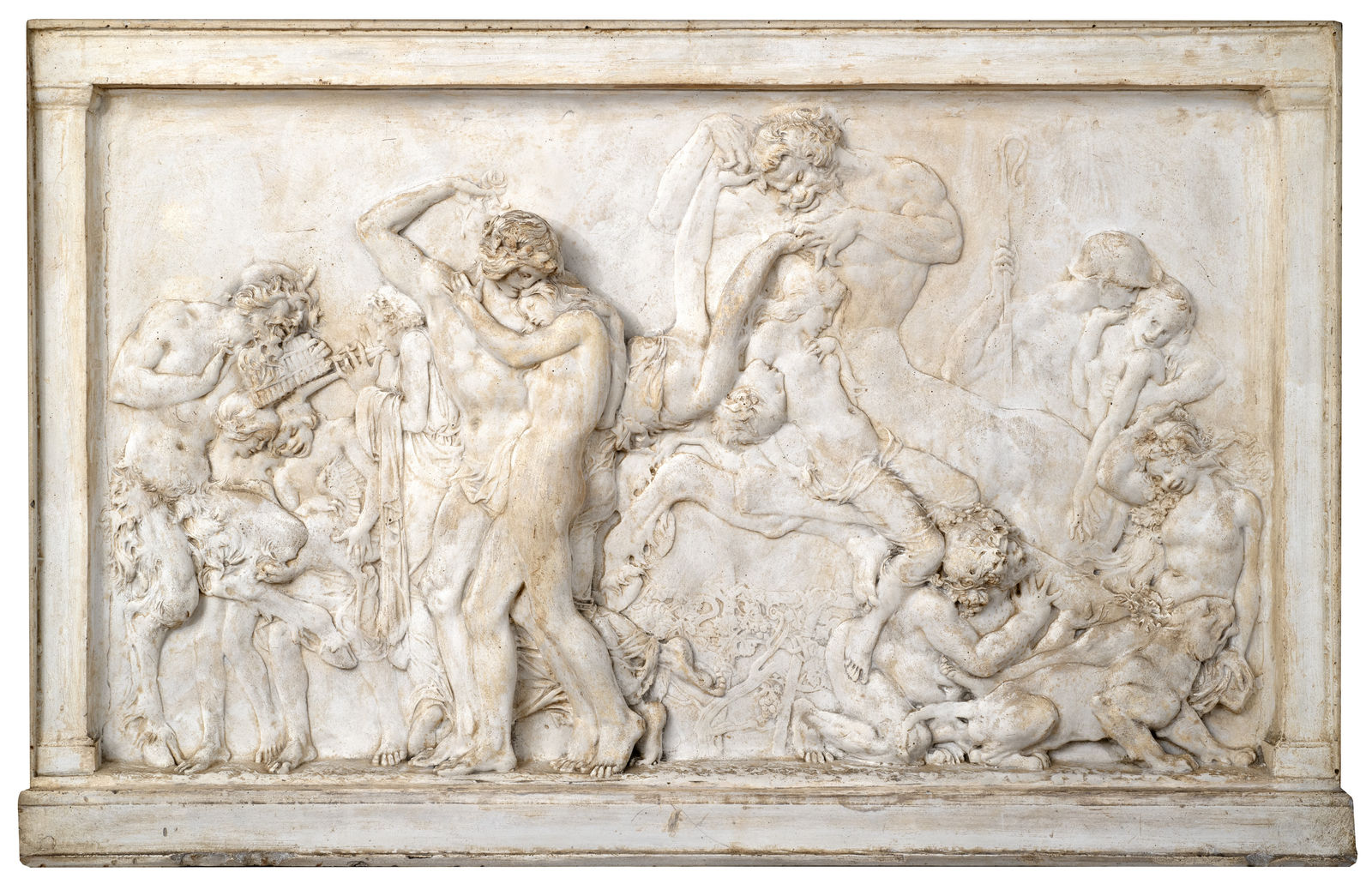
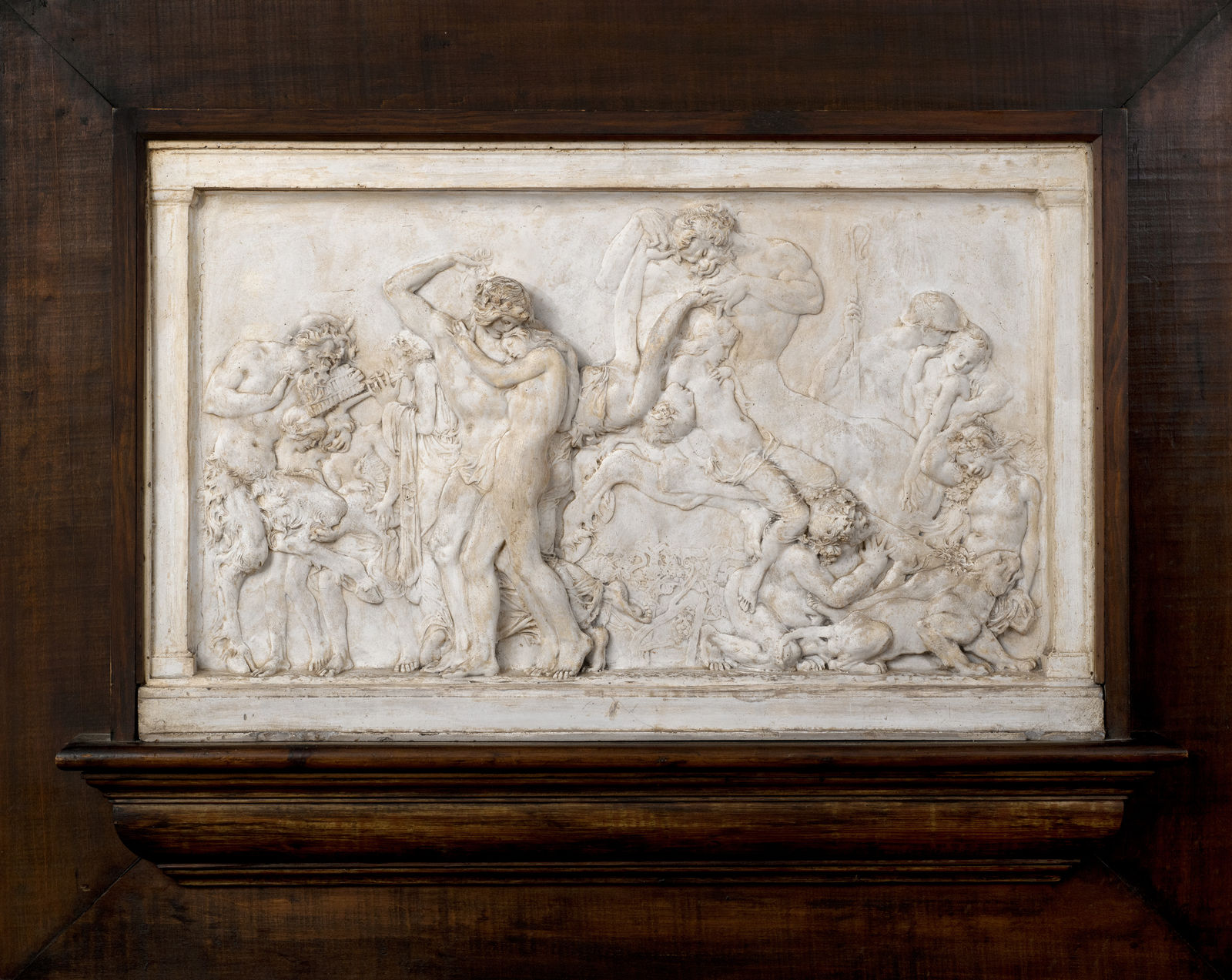
This magnificent plaster cast is a significant rediscovery and one of only three known plaster versions of Jagger’s famous bronze original, now in the collection of the Victoria & Albert Museum, London. The bronze was produced in 1914, probably from a wax model - now lost - using the lost wax process, a method originated during the Italian Renaissance. The bronze was in the collection of Sir Robert Mond (1867-1938), the noted British chemist and archaeologist, before passing into the collection of the V&A. It is the earliest known work by Jagger, completed just after his studies at the Royal College of Art and was exhibited at the Royal Academy in 1914, shortly before he won the Rome prize. A terracotta version of the composition was purchased directly from Jagger in March 1914 by Calouste Gulbenkian and is now in the Gulbenkian Museum in Lisbon, while two other plaster versions are known; one formerly in the collection of the British School in Rome and then with The Fine Art Society and another which Jagger gave to his teacher at the Royal College of Art, Edouard Lanteri, sold at auction in 1990 and again in 2018. The present plaster cast was acquired directly from Jagger and has remained in the same family since.
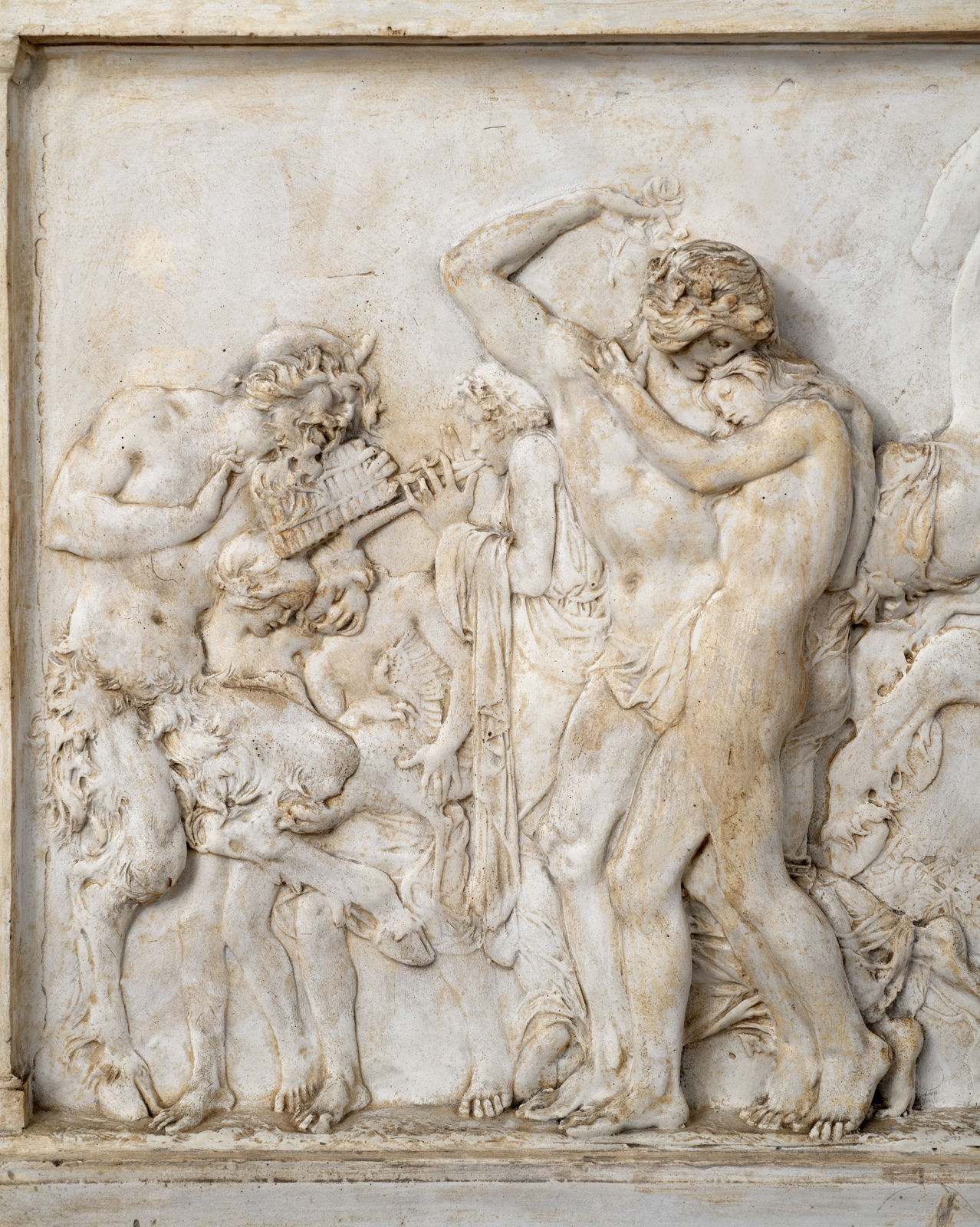
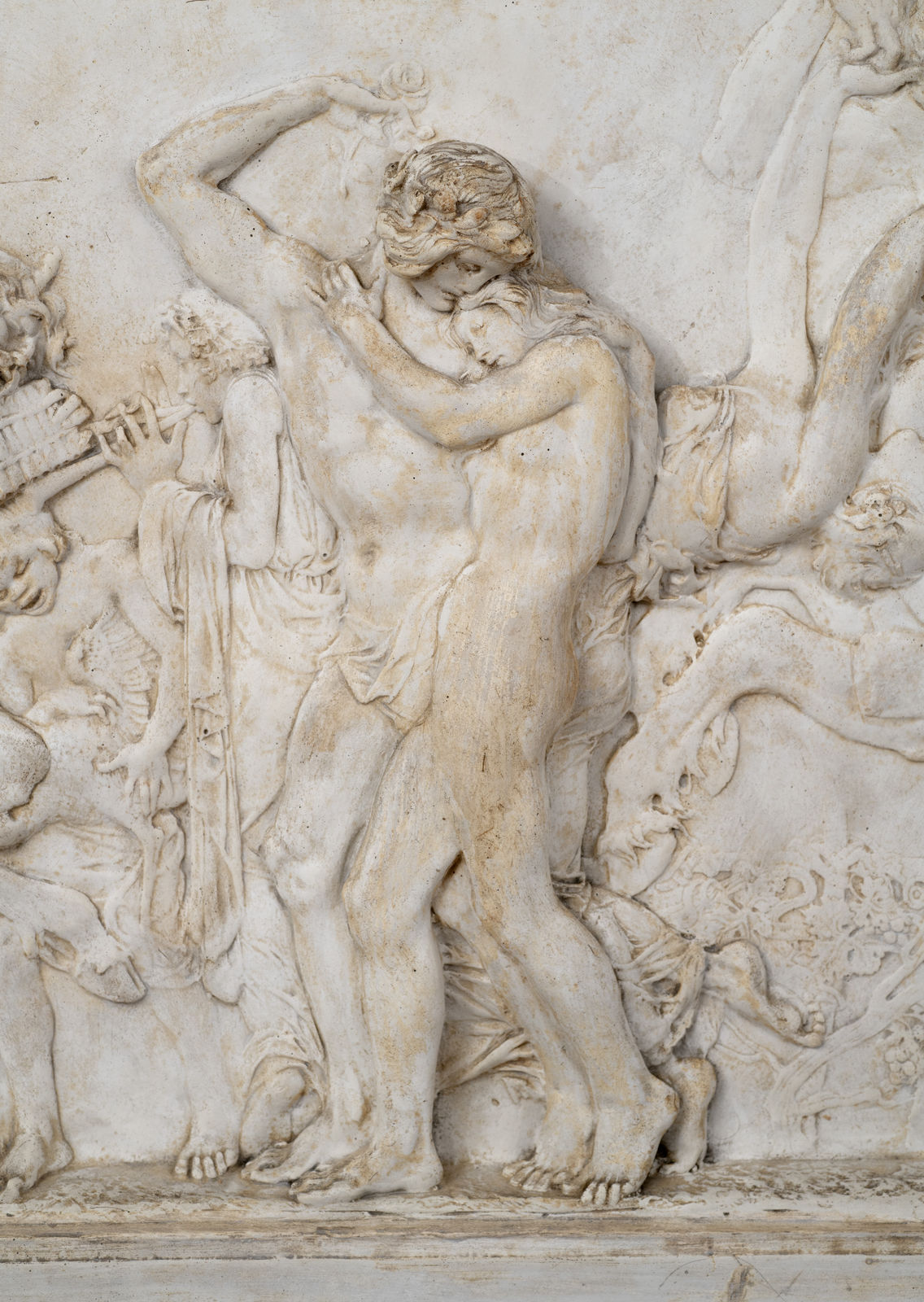
The piece is in many ways an archetypal academic work and the product of the young sculptor's study of other traditions and styles. The composition draws on an eclectic range of sources, and has elements recalling the New Sculpture of the late Victorian era, with its naturalistic depiction of the human body, Italian Renaissance bronzes of the 16th century, with sensitive treatment of surfaces, and French traditions of Bacchic figurative scenes, seen in the paintings of Nicolas Poussin, as well as in the sculpture of Clodion. The relief depicts Cathal, the Irish hero, who is surrounded by woodland figures in the midst of bacchanalian revelry.
In reviewing the Royal Academy exhibition of 1914 the noted art critic I.G. McAllister wrote in The Studio , ‘Bacchanalian subjects have an attraction for Mr. Jagger, as giving plenty of scope for the imaginative faculty with which he is well endowed…His Cathal and the Woodfolk exhibited this year at Burlington House, though classical in treatment, has the unique quality of being very much alive; in fact the whole work is instinct with life and movement to a degree that is particularly noticeable. One is struck by the variety of types, nor will the naturally expressed action of the young girl on the right, with the unconventional treatment of the pose of the arm and hand, be overlooked. Another thing which occurs to one’s notice is the perfect modelling of the smallest detail, the sure outcome of a well-disciplined power of observation, and a very sound technical training. Very expressive are the feet and hands of each separate figure in the group. One is irresistibly reminded of youth and joie de vivre in this piece of work.’